
Buying a Used Pottery Wheel: What to Check Before You Buy
Buying a used pottery wheel can save money, but only if the wheel is still strong, stable, and worth the repair risk. A good used wheel can be excellent value. A bad one can cost more than buying better in the first place.
Short answer: buying used is usually smart only when you can test the wheel in person, check torque and wobble, and spot obvious wear before you pay.
This guide is for beginners and hobby potters who want a lower-cost wheel without guessing blindly on condition, lifespan, or repair headaches.
You will get a quick “when used makes sense” decision section first, followed by the practical inspection checks that matter most before you buy.
When Buying Used Is Smart — and When It Is Not
- Best for: buyers who can test the wheel in person and are comfortable checking torque, wobble, pedal response, and visible wear.
- Good value if: the wheel is from a reliable brand, runs smoothly, and is priced low enough to leave room for minor maintenance.
- Be careful with: vague listings, sellers who will not let you test the wheel, or machines with obvious rust, grinding, or electrical issues.
- Avoid used if: you want a simple, low-risk first purchase and do not want to troubleshoot repairs.
If the used options in your area all look risky, it may be better to wait or compare them against the features that matter most in a new beginner pottery wheel.
How to Tell Whether a Used Pottery Wheel Runs Well
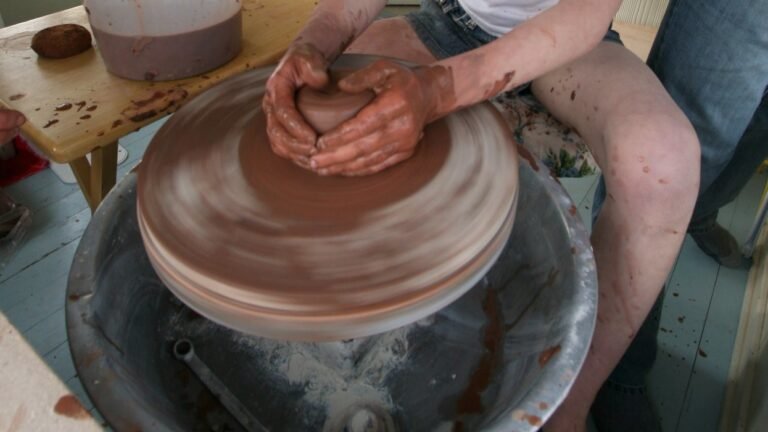
The best way to judge a used pottery wheel is to see it running in person. A listing can sound great, but you learn much more by plugging the wheel in, testing the pedal, and watching how it behaves from low speed to high speed.
Ideally, the wheel should start smoothly, respond predictably, and keep turning without wobbling, grinding, or losing power when you apply pressure. If it already sounds rough or shaky before clay even touches it, assume the repair bill may erase the savings.
Bring this quick inspection checklist with you:
- Listen for smooth motor and bearing noise rather than squeaks, scraping, or crunching.
- Check that the wheel head stays level without visible wobble.
- Test the pedal slowly to confirm the speed changes are smooth and easy to control.
- Apply light pressure to see whether the wheel keeps its torque instead of stalling too easily.
- Inspect the belt, wiring, rust, splash pan, and overall frame for deferred maintenance.
If the seller will not let you test the wheel, treat that as a risk factor, not a small inconvenience. In many cases it is smarter to wait for a better listing than to buy blind and hope the repairs stay affordable. For a broader new-versus-used decision, compare this with our guide to the best pottery wheels for beginners.
Is It Capable Of Producing Enough Torque?
Place your palms on the wheel as it spins at a low speed to further slow it down. You can also try holding the wheel head by its edge. Check whether the wheel head slows down in either case.
If it does, you can assume that the wheel lacks torque. The wheel is not capable of centering clay well when it has low torque.
During Rotation, Does The Wheel Head Remain Level?
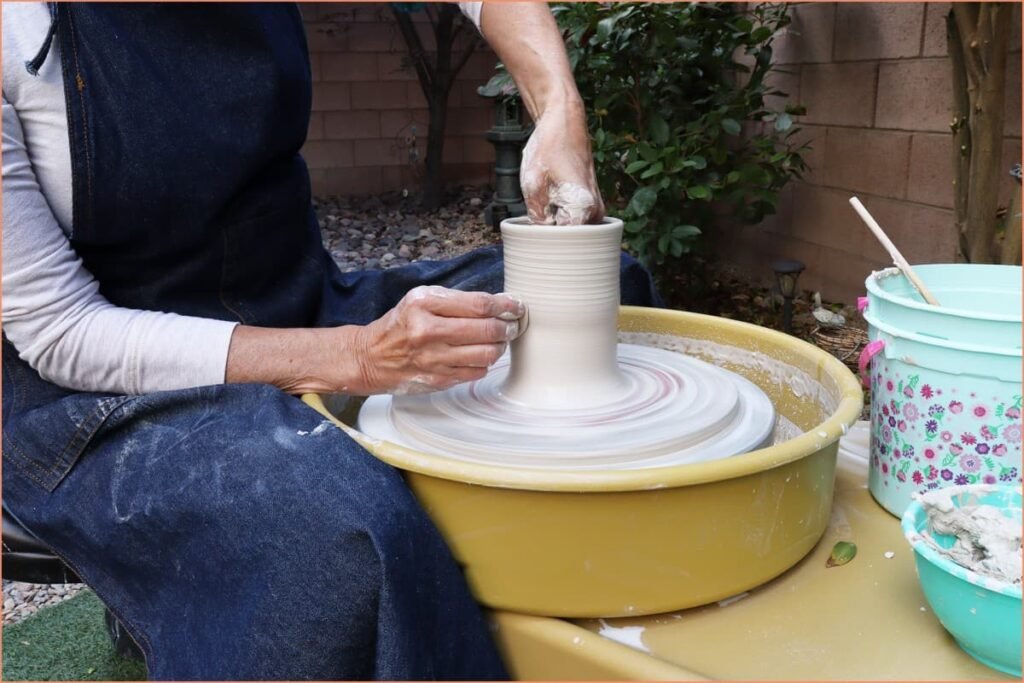
To center clay, the wheel head should remain level while rotating. It is hard to use if it waves up and down as it turns.
Make sure the wheel head feels solid when you press on it. It should be stable and not wobble or lean as you do so. When you shape clay, the wheel head should remain level and steady.
Verify that all the screws and bolts joining the wheel head to the shaft are in proper condition. Rust makes it impossible to expect a long service life from such an item.
Is The Electric System Safe?
Check the condition of the outer electrical components. Look at the power lead and plug to see if they are worn out, burned, or crumbling. It gives you a better sense of its internal electrics.
Because pottery involves water, an exposed wire or a cut cord poses a danger. Three-pronged plugs offer extra safety by grounding the wheel.
Is The Foot Pedal Responsive?
Foot pedals need to be responsive and easy to control. Verify that the operation is smooth. You can assume it is working if it stays at that speed when you take your foot off the pedal. If the pedal feels stiff, that means it needs lubrication.
Find a wheel that works well and is within your budget. That is more effective than looking for a specific brand or model.
Where Can I Buy A Used Pottery Wheel?
There are many places where you can find a reliable used pottery wheel. Examples include public school auctions, ceramics schools, and local pottery studios. Pottery cooperatives and organizations can provide you with information on used pottery wheels.
You can ask a local ceramic supply shop if there is a potter in your area who plans to sell his wheel. Search online markets such as eBay, Amazon, Facebook Marketplace, or Craigslist.
Some people keep pottery wheels for years without using them. These machines end up in their basement or somewhere else as dust collectors. Many of these people have no idea how and to whom to sell these machines.
Related: Best Pottery Wheel for Beginners 2022!
If you know how to spot such a person, you can get a wheel at a fair price. In this case, you should be able to bargain a bit. Taking note of minor defects or scratches can help you negotiate a better price. Here, you should know the price of a new machine of the relevant kind.
So, to learn about market prices and features, it is helpful to conduct a quick online search. A high price can sometimes cause used pottery wheels to remain on the market for a long time. Such occasions make it easy for you to negotiate a discount.
Why Is It Important To Know The Reason For Selling?
Knowing the real reason for selling the item can give you many details about the wheel. People sell their used items for many reasons. There is a chance for you to get a good deal if someone is looking for immediate cash.
Find out the history of the wheel from the seller. It is suspicious if the seller bought a machine of the same brand with similar features. If they sell it to move into another field, you are more likely to get a reliable product.
It is possible for machines purchased at garage sales to have defects. Ask the seller everything they know about the wheel. Pay attention to whether the answers are honest or not.
What Is the Average Cost of a New vs. Used Pottery Wheel?
The price of a brand-new pottery wheel can range from $200 to $2000. Used pottery wheels cost between $100 and $1500. The selling price of used wheels depends on the brand and condition.
What Is The Lifespan Of A Pottery Wheel?
You can expect new electric wheels to last for about ten years. With proper maintenance, a normal kick-wheel can last your entire life.
Conclusion
Finding the right pottery wheel for you can be challenging. The relevant technical knowledge and the ability to bargain make this job easy. You have to be familiar with current market prices and options.
Identify your actual needs and purpose before making any purchases. You need to be aware of society and how the wheel works to pick out the exact item.
Follow the correct procedures. Then buying a used pottery wheel becomes an affordable investment.