10 Pottery Tools Beginners Actually Need
Most beginners do not need every pottery tool at once. What they need is a short list of tools that match how they actually plan to learn, build, throw, glaze, and fire.
Short answer: start with the tools you will use repeatedly, then add bigger or more specialized equipment only after you know your method and workspace.
This guide is for beginners building a first pottery setup on a real budget, whether that means home hand-building, classes, shared studio work, or an early wheel setup.
You will see a quick priority guide first, then the individual tool categories that matter most when you are deciding what to buy now versus later.
A Better Way to Build a Beginner Pottery Kit
- Start with first: clay, a few core hand tools, a sponge, and access to firing if you need it.
- Add next: a wheel, glaze supplies, or specialty trimming tools once you know how you like to work.
- Best for tight budgets: build around the method you are actually using instead of buying a “full studio” all at once.
- Avoid early overspending on: equipment that solves problems you do not have yet.
This article works best as a priority guide, not a shopping list you must complete immediately. If you are still choosing methods, compare the tool decisions here with learning pottery by yourself and with the wheel-specific advice in best pottery wheels for beginners.
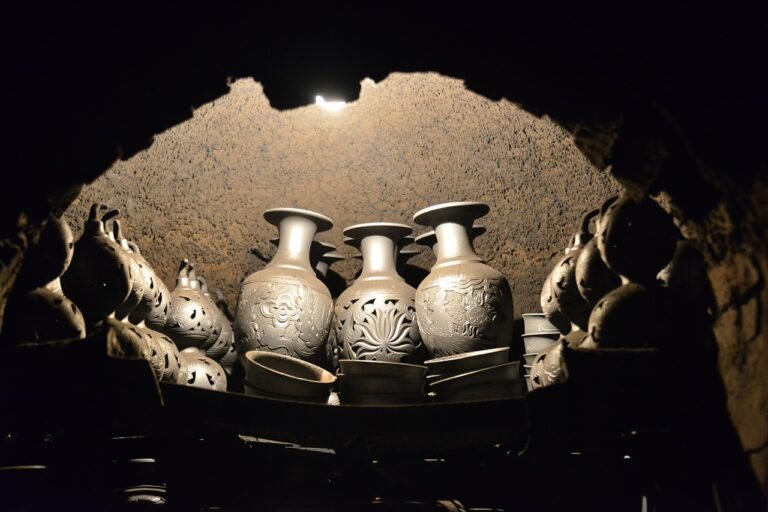
1. Do Beginners Need a Kiln Right Away?
Not every beginner needs to buy a kiln immediately. If you are taking classes, using a shared studio, or still deciding whether you prefer hand-building or wheel work, outside kiln access may be the smarter first step. A kiln is important, but for many beginners it becomes necessary only after they know they want to keep making and firing their own work.
If you do want your own kiln, an electric model is usually the easiest place to start because it is more beginner-friendly to operate and easier to fit into a typical home or studio setup than many gas or wood options. What matters most is matching the kiln to your space, firing needs, and electrical setup, not simply buying the cheapest unit you can find.
Before buying a kiln, think about:
- whether you truly need in-home firing yet or can use a studio kiln first
- the firing range you expect to use most often
- ventilation, power requirements, and room safety
- how much work you plan to fire at one time
- whether your budget is better spent first on basic tools, clay, or wheel practice
If you are still building your setup, it helps to understand what a kiln is and how kiln temperatures in pottery affect the clay and glaze you plan to use.

2. Potter’s Wheel
If you want to throw on the wheel, your first priority is not buying the fanciest machine. It is choosing a wheel that feels stable, gives you enough torque for beginner practice, and fits the amount of space and money you actually have available.
For most beginners, an electric wheel is the simpler place to start because it removes some of the coordination demands of a kick wheel and makes speed control easier to repeat. If you want a deeper buying guide, compare this with our roundup of the best pottery wheels for beginners or our checks for buying a used pottery wheel.
What matters most in a beginner wheel:
- smooth pedal response
- enough torque for centering clay
- a sturdy frame that does not wobble easily
- a price that still leaves room for clay, tools, and firing access


3. Clay Type and Clay Body
Clay is not one single beginner material. The right choice depends on how you plan to build, whether you have access to a kiln, and what kind of finished piece you want to make. For many beginners, the most practical studio clay is often stoneware because it is versatile, durable, and forgiving enough for both hand-building and wheel work.
If you are comparing clay types, the most important thing is to match the clay to your firing setup. Earthenware, stoneware, and porcelain all mature at different ranges, which is why this section works best together with our guide to kiln temperatures in pottery.

4. Glaze and Firing Match
Glaze becomes much less confusing when you think about it as part of a system: clay body, glaze, and firing temperature all need to match. A glaze that looks great on the shelf can still disappoint if it is fired outside the range it was designed for or used on the wrong clay.
For beginners, premixed glazes are usually the easiest way to start because they reduce one more variable while you are still learning the basics. If you want a deeper look, this connects naturally with our guides on glaze and how to glaze pottery at home.

5. Glaze brushes
Here, you can choose both ceramic and glazing brushes or probably buy a set to fit different types of products. Glaze brushes should be able to create patterns, draw images, do fine detailing, brush on bold and fine strokes and apply slip. These are all factors to consider when choosing a set of glaze brushes. My choice is a Wooden Brush set of different sizes.

6. Sponge
A sponge is necessary while throwing to wet the surface of the clay with water. It helps to prevent friction which could lead to cracks making it hard to make smooth pieces. Some people prefer sponges that come on a stick for ease of use. For me, a sponge is a sponge as long as it provides enough lubrication. Again, with this set, you cannot go wrong.

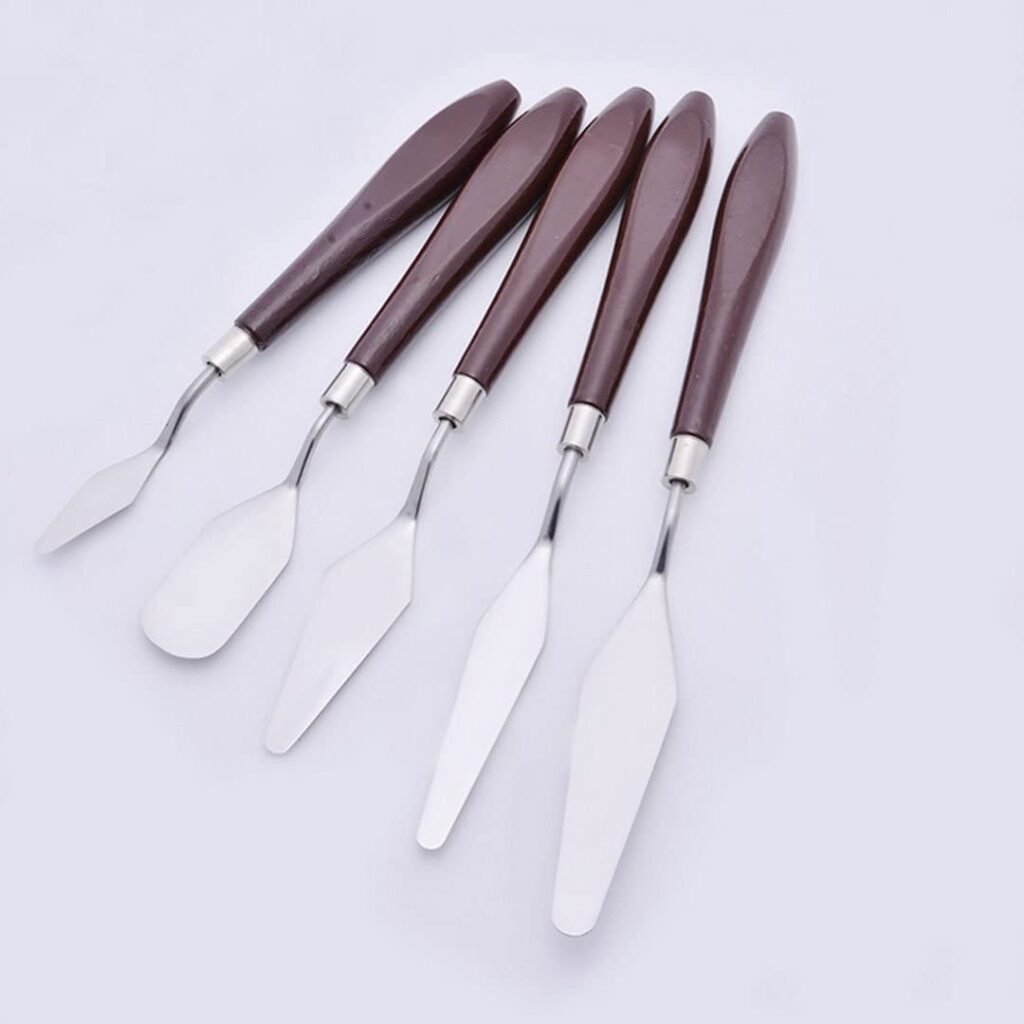
7. Sculpting toolset
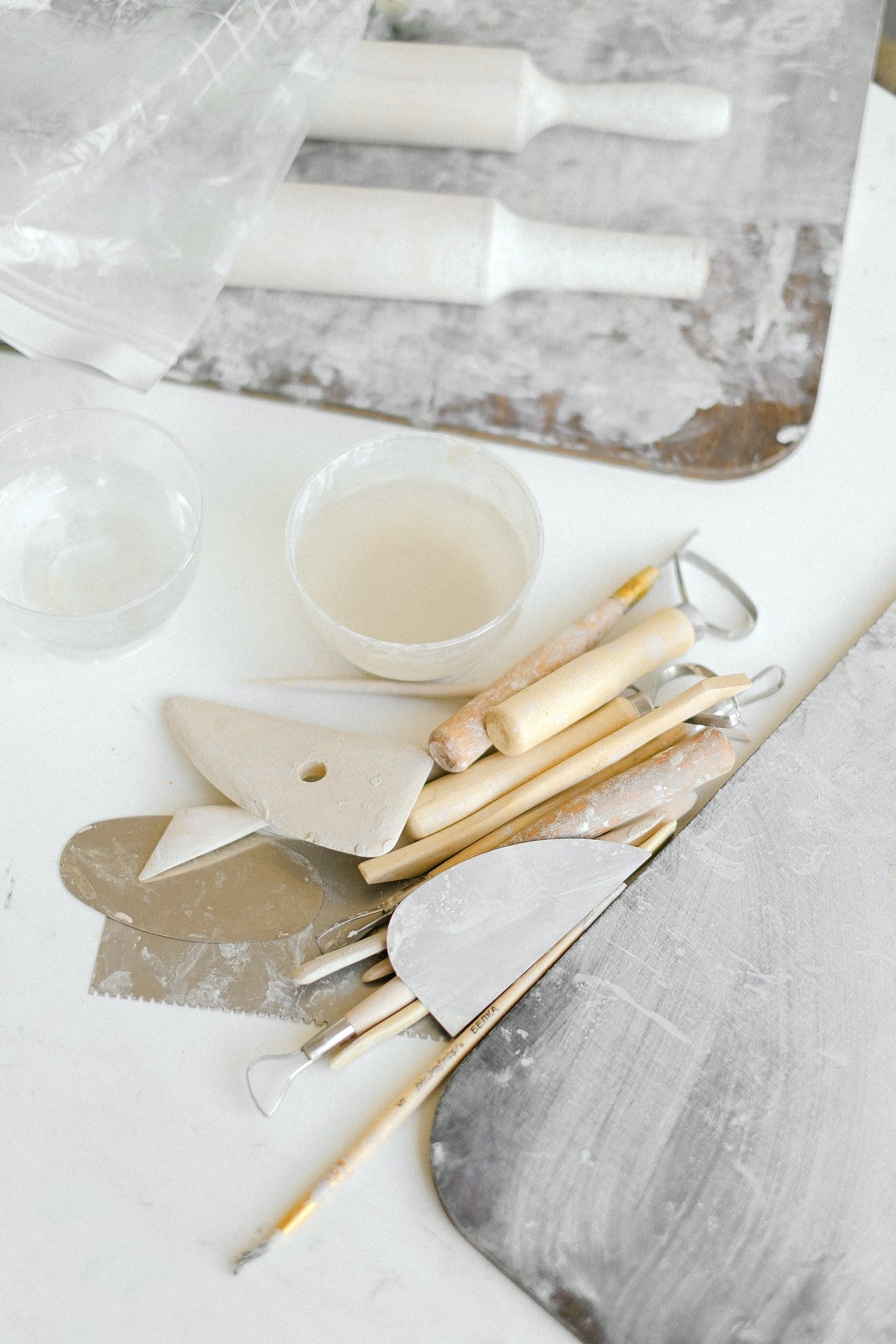
If you can acquire a whole set, it will save you the trouble of looking for each tool separately. The items contained in the sculpting set come in various shapes and lengths to fit their designed use.

8. Caliper
This comes in handy when throwing pots and jars. It is also used for measuring to ensure even-size pots are being made. Calipers are used to measure lids for the pots as well. They come in three different materials which are; wood, plastic, and metal. They also come in a variety of sizes. This means you choose a caliper depending on your preferred material and also the sizes of pieces you intend to make. I prefer working with a wooden one.

9. Clay cutter
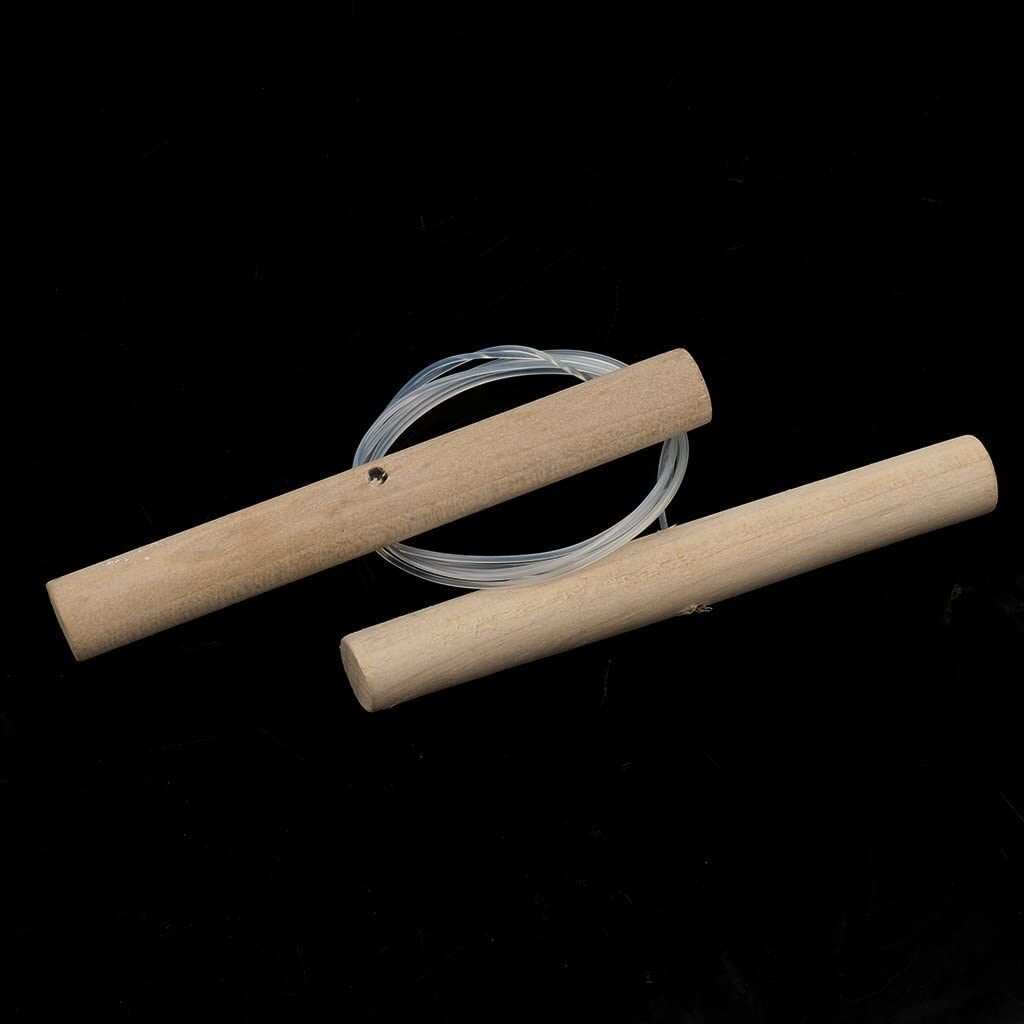
The best clay cutter to go for is nylon. It has a long life in terms of durability and it will not rust compared to a metallic clay cutter.
10. Palettes and scrapers
Palettes are essential when decorating pottery pieces with paint. The best palettes are those made of porcelain (ceramic) because of their heaviness and durability. It also has a smooth surface which is kind to brushes. The only downside of porcelain is that it is expensive but not to discourage you. Ceramic palettes can be homemade, saving you a lot of resources as well as giving you a chance to personalize yours.
Scrapers are finishing tools used for smoothening rims of pots. Both rubber and steel scrapers are essential in trimming the final product. It is important to have both types.